
The free 7-day VIP pass gives first-time visitors access to Answer Is Fitness before joining. It includes cardio equipment, free weights, functional training areas, and available amenities at the selected location. This free gym trial in MA gives you time to see the facilities, try a workout, and decide whether the gym fits your routine.
Pilates and Lower Back Discomfort: What You Should Know
by Answer is Fitness on October 12, 2026
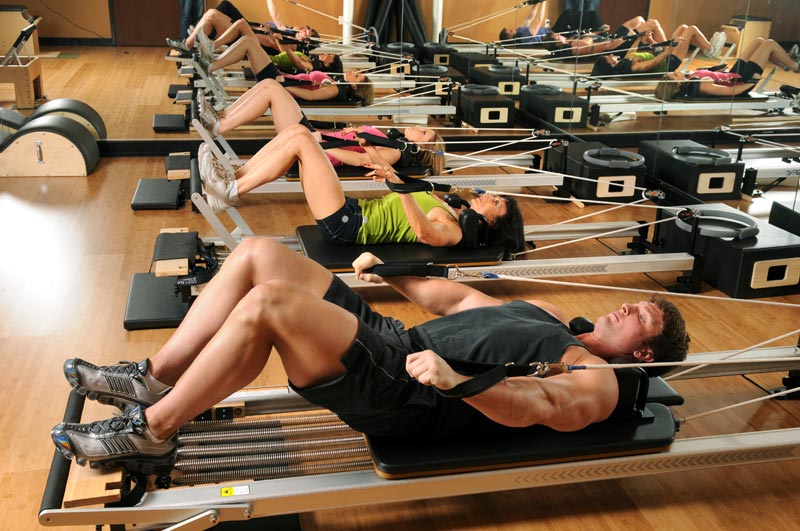
Lower back discomfort can make everyday activities like sitting at a desk, bending over, or getting out of bed more challenging. Whether it comes from spending long hours sitting or from the demands of an active lifestyle, finding appropriate ways to stay mobile and build strength can be an important part of maintaining your fitness.
Pilates is one form of exercise that focuses on controlled movements, core strength, breathing, and body awareness. For some people, these elements can support better movement habits and help manage certain types of lower back discomfort. At Answer is Fitness in Foxboro, MA, understanding how different forms of exercise fit into your routine can help you make more informed choices about your fitness goals.
How Pilates Supports Core Strength
Your core includes more than just your abdominal muscles. It also involves muscles around your trunk and pelvis that help stabilize your body during everyday movements. When these muscles work together effectively, they help you maintain control as you bend, reach, lift, and move.
Pilates incorporates controlled exercises that engage the abdominal muscles and encourage coordinated movement. Exercises such as modified planks, pelvic tilts, and bridges may help develop core strength when performed with appropriate technique.
Building core strength does not guarantee that back discomfort will disappear, but it can be one component of a well-rounded exercise routine.
The Connection Between Pilates and Lower Back Discomfort
Lower back discomfort can have several causes, including muscle strain, prolonged sitting, changes in activity levels, and certain spinal conditions. Pilates may help some individuals improve trunk strength, flexibility, and movement control, which can support everyday physical activity.
Pilates also emphasizes awareness of posture and movement. Learning to control your body during exercise may help you recognize habits that place unnecessary strain on your back.
However, not every Pilates exercise is appropriate for every person. Movements involving deep spinal flexion, twisting, or demanding positions may need to be modified depending on your symptoms and physical abilities. If an exercise causes sharp or worsening pain, stop rather than trying to push through it.
Start With Exercises That Match Your Fitness Level
If you are new to Pilates or returning to exercise after a period of inactivity, begin with movements that feel manageable. Controlled breathing, gentle pelvic tilts, and supported bridges may be suitable starting points for some people, depending on their symptoms.
Focus on smooth, controlled movements instead of trying to achieve a particular range of motion. Consistency is generally more useful than forcing your body through difficult exercises before you are ready. You should also avoid assuming that every instance of lower back discomfort is caused by weak core muscles. Persistent or recurring symptoms may require an assessment by a qualified healthcare professional to identify the cause and determine which activities are appropriate.
Combine Pilates With a Balanced Fitness Routine
Pilates can complement other forms of exercise, including walking, strength training, and low-impact cardiovascular activity. A balanced routine helps you work on different aspects of fitness rather than relying on one type of exercise alone.
At Answer is Fitness in Foxboro, Massachusetts, making time for regular physical activity can be a practical step toward improving overall strength, mobility, and fitness. Choose activities that fit your current abilities, increase their difficulty gradually, and allow adequate recovery between challenging workouts.
If your back discomfort is persistent, severe, or accompanied by pain traveling down your leg, numbness, or tingling, seek medical guidance before continuing exercises that may aggravate your symptoms. New leg weakness or changes in bladder or bowel control require emergency medical attention.
Make Movement Part of Your Fitness Routine
Pilates offers a structured way to work on core strength, movement control, and flexibility. While it is not a cure for every cause of lower back discomfort, appropriately selected exercises may help some people stay active and improve their physical conditioning. At Answer is Fitness in Foxboro, MA, you can make regular exercise part of your approach to long-term fitness. Whether you are building a new routine or looking for ways to complement your current workouts, focus on gradual progress, good technique, and movements that work for your body.
Fitness Club Locations
Follow Us


