
The free 7-day VIP pass gives first-time visitors access to Answer Is Fitness before joining. It includes cardio equipment, free weights, functional training areas, and available amenities at the selected location. This free gym trial in MA gives you time to see the facilities, try a workout, and decide whether the gym fits your routine.
How Does Reformer Pilates Change Your Body?
by Answer is Fitness on October 28, 2026
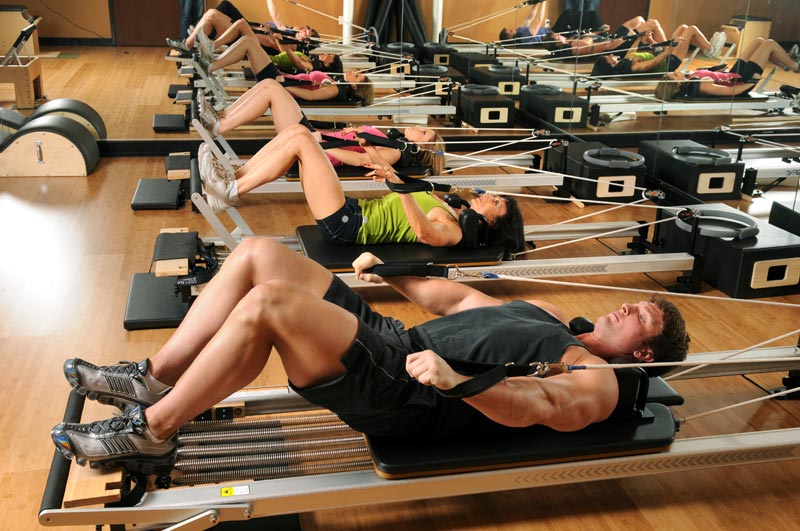
Reformer Pilates changes your body by building core strength, improving posture, and toning the deep stabilizer muscles through low-impact, spring-loaded resistance training. With regular practice, you may also notice better balance, stability, and muscle definition, although the changes you see depend on your overall fitness routine and lifestyle.
This guide looks at the benefits of reformer Pilates, what results you can expect over time, and how to fit it into a workout routine that includes strength training and cardio.
What Is Reformer Pilates?
Reformer Pilates is a low-impact, full-body workout done on a specialized machine called a reformer. It has a sliding platform, adjustable springs, straps, and a footbar that provide resistance and support as you move. Unlike mat Pilates, which mostly uses your body weight, the springs let you adjust the resistance to suit your fitness level, so it works for beginners and experienced exercisers alike. Through slow, controlled movements, your muscles work to guide every push and pull, which is a big part of how Pilates changes your body.
The reformer was developed by Joseph Pilates, who also created the Pilates method. Like traditional Pilates, it focuses on controlled movement, proper breathing, and body alignment. It’s gentle on the joints, but that doesn’t mean it’s easy: even small movements can give your muscles a good workout, as you’ll see in the benefits of reformer Pilates below.
The Benefits of Reformer Pilates
Reformer Pilates offers more than a good workout. Its controlled movements and adjustable resistance can help you build strength, move more freely, and improve your posture. Here are five benefits you may notice with regular practice.
1. Improves Core Strength
Many exercises ask you to hold your body steady while your arms or legs push against the springs. This works your abdominal and back muscles and helps build a stronger, more stable core.
2. Increases Flexibility
Moving through a full range of motion, with springs and straps you can adjust to your level, can help ease stiffness. Everyday movements like bending and reaching may start to feel easier.
3. Supports Better Posture
Strengthening the muscles that support your spine can improve your posture and body awareness. A 2024 review in BMC Sports Science, Medicine and Rehabilitation found that Pilates may improve certain aspects of posture, although results vary.4. Builds Muscular Endurance
Repeated, controlled movements against spring resistance help your muscles work longer before tiring. A 2025 study
5. Boosts Focus and Confidence
Each exercise has you concentrate on your breathing and body position. That keeps you present, and as you notice your progress, you may feel more confident in your strength.
Does Reformer Pilates Build Muscle?
Yes, reformer Pilates can build muscle strength and may support some muscle growth, especially if you’re new to resistance training. The adjustable springs create resistance that challenges your muscles as you push, pull, and control each movement.
How Reformer Pilates Builds Muscle
Instead of lifting heavy weights, reformer Pilates works your muscles through slow, controlled movements against spring resistance. A 2025 studyin Scientific Reports found that women who trained three times a week for eight weeks improved their muscle strength and endurance. The study didn’t directly measure muscle growth, though, so getting stronger doesn’t necessarily mean your muscles are getting bigger.
If your goal is noticeably bigger muscles, traditional weight training is the better option. Reformer Pilates is still a great way to build strength, endurance, and body control, and combining the two works well for many people.
Can Reformer Pilates Change Your Body Shape?
Reformer Pilates can change how your body feels and moves, and as you get stronger, you may notice more muscle definition. That said, there’s no single “Pilates body shape,” because your results also depend on your genetics, eating habits, and the rest of your routine. If changing your body composition is a goal, pairing reformer Pilates with strength training, cardio, and balanced eating will take you further than Pilates alone.
How Does Pilates Change Your Body Over Time?
Results build gradually, and everyone moves at their own pace. With regular sessions, here’s a general idea of what to expect:
- The first few weeks: You’ll learn the movements and how to control your muscles. Exercises start to feel smoother, and you may feel steadier and more aware of your posture, even if nothing looks different yet.
- TAround 8 to 12 weeks: Strength and muscular endurance often start to improve noticeably. A 2025 study found gains after eight weeks of training three times a week.
- After 3 months: If you’ve stayed consistent, movements feel easier and more controlled. You may also notice better posture and a little more definition in your core, legs, and arms.
Not all progress shows up in the mirror. Standing taller, feeling stronger, and moving with less effort all count as results too.
Can You Do Reformer Pilates Every Day?
You can practice reformer Pilates every day, but that doesn't mean you should push yourself through an intense workout each time. Your muscles still need time to recover, especially after challenging strength-focused sessions. If you're just starting out, one or two sessions a week is a good place to begin.
As you get more comfortable with the movements, you can gradually work up to two or three sessions a week. According to Complete Pilates, you can also practice more frequently by varying your workouts. For example, you might focus on strength one day and choose gentler mobility or stretching exercises the next.
The most important thing is to listen to your body. If you're feeling sore, tired, or struggling to maintain proper form, take a rest day or switch to something less demanding. And if you're pregnant, recovering from an injury, or managing a health condition, check with your healthcare provider before starting or changing your routine.
Is Reformer Pilates Good for Beginners?
Yes. The springs can be adjusted, so each exercise can be made lighter or harder to match your fitness level. That makes reformer Pilates a good starting point if you’re new to exercise, getting back into a routine, or spending long hours sitting at a desk.
Who Else Can Benefit?
It’s also a good option for older adults who want to stay active. Research on Pilates in older adults has found improvements in balance, strength, and flexibility, although the studies weren’t limited to reformer Pilates.
If you’re recovering from an injury or managing a health condition, check with your doctor or physical therapist first. A qualified instructor can then help you find exercises that suit you.
How to Fit Reformer Pilates Into Your Week
Reformer Pilates can be a great addition to your fitness routine, but it doesn't have to be your only form of exercise. Combining it with strength training and cardio can help you work on different areas of your fitness while giving your body time to recover.
According to the CDC, adults should aim for at least 150 minutes of moderate-intensity aerobic activity and two days of muscle-strengthening exercise each week.
Here's an example of how you could plan your week:
- Strength training: Aim for two sessions a week, focusing on all major muscle groups.
- Cardio: Include activities like brisk walking, cycling, or swimming throughout the week to work toward 150 minutes.
- Reformer Pilates: Add one or two sessions to work on core strength, flexibility, and body control.
You can adjust this routine based on your fitness level, goals, and how your body feels. The important thing is to find a balance that works for you and allows enough time for recovery. At Answer Is Fitness, our personal trainers can help you put together a fitness routine that combines strength training and cardio around your individual goals.
Start Building Strength at Answer is Fitness
If you've been wondering how reformer Pilates changes your body, the biggest takeaway is that regular practice can help you build strength, improve flexibility, and move with better control. The results may take time, but finding a balanced fitness routine that works for you is a great place to start.
At Answer Is Fitness, our personal trainers can help you create a workout routine that supports your goals. Visit us at any of our three Massachusetts locations in Foxboro, Canton, or Raynham. Claim your free gym pass, meet our team, and start working toward your fitness goals.
Fitness Club Locations
Follow Us


